The IUCN SSC Stork, Ibis and Spoonbill Specialist Group is delighted to welcome Yat-tung Yu as our new Co-Chair, bringing decades of expertise in waterbird conservation to the leadership of our global network.
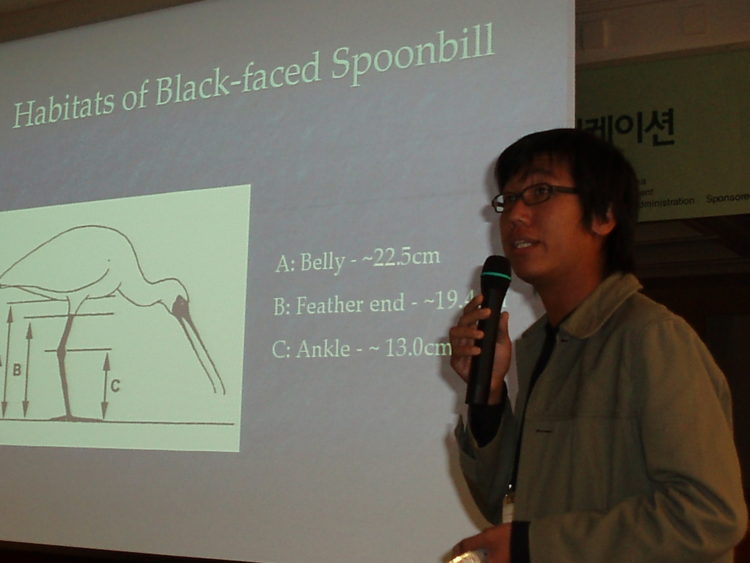
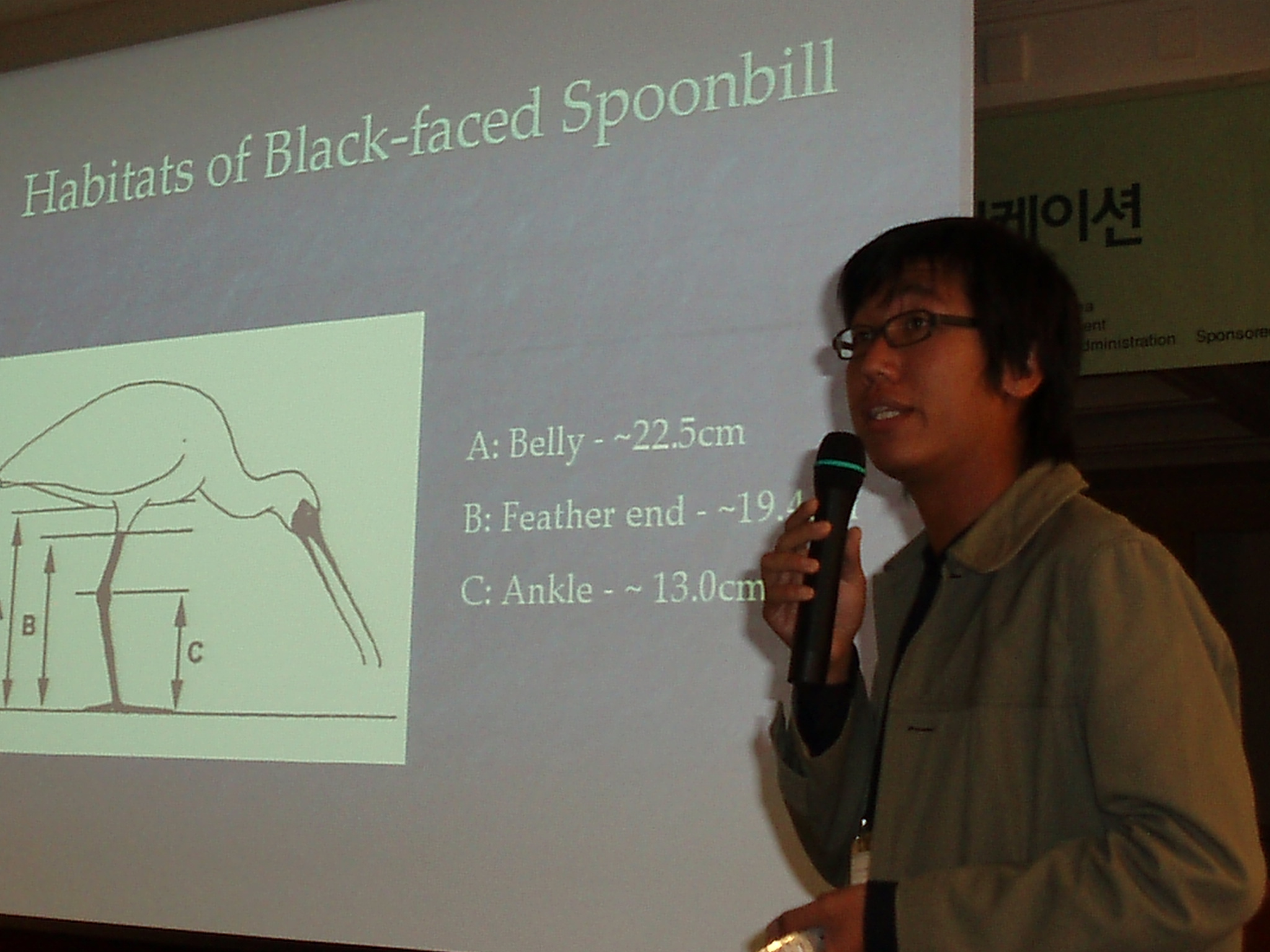
Yat-tung Yu is a Hong Kong, China conservation scientist and birdwatcher who has focused on researching and conserving waterbirds across the East Asian–Australasian Flyway. His work on the Black-faced Spoonbill (Platalea minor) began during his M.Phil. studies at the University of Hong Kong and has remained central to his professional interests. For over two decades, the species has been a major focus of his research and a source of inspiration for his conservation work.
Since 2003, Yu has coordinated the International Black-faced Spoonbill Census, collaborating with researchers, conservation organisations, government agencies, site managers, and volunteers across East Asia to monitor population trends and understand the species’ conservation needs. He also serves as International Coordinator of the East Asian–Australasian Flyway Partnership’s Black-faced Spoonbill Working Group, facilitating knowledge exchange, strengthening partnerships, and supporting coordinated conservation action throughout the flyway.
As Director of the Hong Kong Bird Watching Society, Yu remains actively engaged in bird monitoring, conservation research, and habitat protection. A significant achievement during his career has been the recovery of the Black-faced Spoonbill population—an outcome that demonstrates the value of sustained commitment, evidence-based conservation, and international collaboration.
A long-standing member of the IUCN SSC Stork, Ibis, and Spoonbill Specialist Group, Yu welcomes the opportunity to serve as Co-Chair. Although his principal experience centres on the Black-faced Spoonbill, his interests extend to all spoonbill species and the broader conservation challenges affecting storks, ibises, and wetland ecosystems. He looks forward to contributing to the Specialist Group’s diverse international network, learning from colleagues’ expertise, and advancing collaborative efforts to conserve these species and the wetlands on which they depend.