
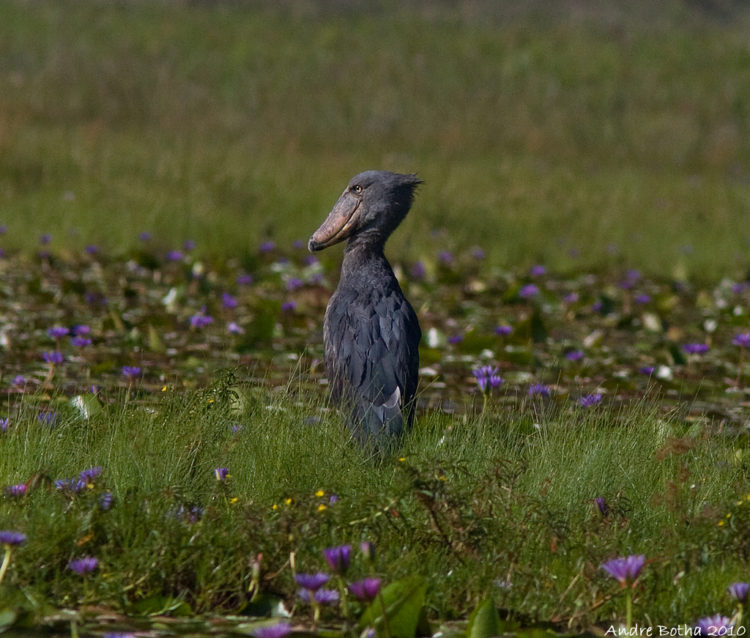
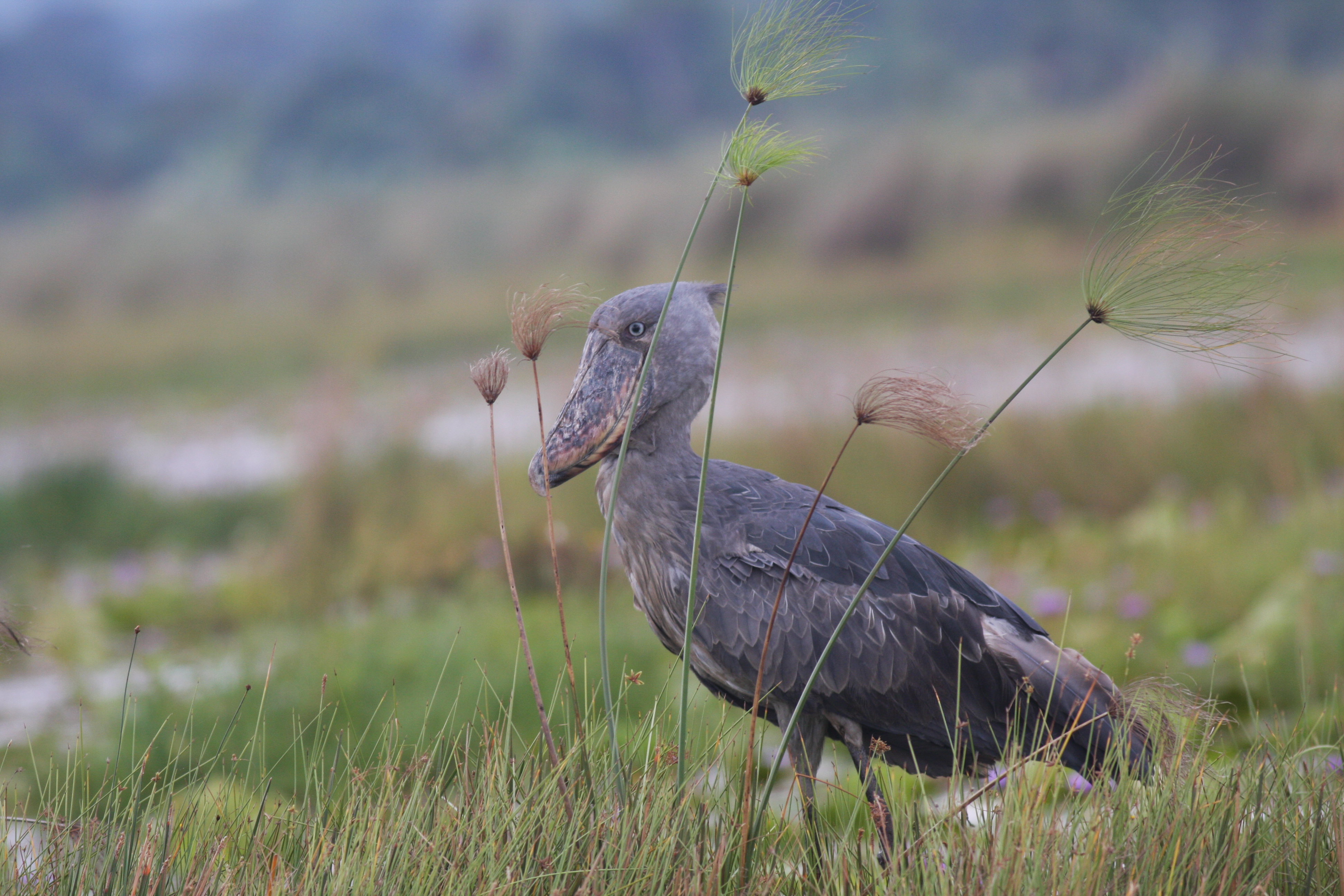
The Shoebill (Balaeniceps rex), often described as a living relic of the prehistoric past, is currently facing a modern crisis. As we enter the peak of the 2026 breeding season, the latest reports from the Bangweulu Wetlands in Zambia highlight both the fragility of this species and the heroic efforts required to keep it from the brink.
On the Frontlines: The 2026 Nest Protection Program
In mid-February 2026, conservation teams led by African Parks and local communities intensified their 24/7 surveillance of 13 active nests. This “Shoebill Guardian” program is a critical intervention.
Because Shoebills typically only raise one chick—often leaving the second, weaker sibling to perish (a behavior known as siblicide)—specialized teams are on standby. When necessary, the second chick is rescued, hand-reared in a dedicated facility, and eventually rewilded. This strategy is essential for a species with such a low reproductive rate, effectively doubling the output of a single nesting pair.
The Dark Shadow of Illegal Trade
The intensity of this surveillance is driven by a sinister threat: illegal wildlife trafficking. Despite international protections, the Shoebill remains a high-value target for the illegal exotic pet market, where a single bird can fetch thousands of dollars.
In the last week, reports from the region emphasize that nest robbing remains the primary driver of decline in unprotected areas. Without the presence of local guardians, nests are easily targeted by poachers, who exploit the remote nature of the papyrus swamps to smuggle chicks across borders.
A Vulnerable Giant: Global Situation
The global outlook for the Shoebill remains precarious. According to the IUCN Red List, the species is currently classified as Vulnerable (VU).
- Estimated Population: There are only between 3,300 and 5,300 mature individuals left in the wild.
- Declining Trends: Their numbers continue to drop due to habitat loss caused by agricultural drainage, seasonal burning of wetlands, and human disturbance.
- The Specialization Trap: As the sole member of the Balaenicipitidae family, the Shoebill is a “specialist.” It survives almost exclusively in vast, undisturbed papyrus swamps. When these wetlands are degraded, the Shoebill has nowhere else to go.
Conservation is a Community Effort
The success in Zambia proves that conservation works when it involves local people. By transforming former poachers into “Shoebill Guardians” and promoting sustainable ecoturism in places like the Mabamba Swamp in Uganda, we provide the species with a fighting chance.
However, as we look at the data from early 2026, it is clear that international pressure must remain high to protect the African wetlands that these “King of the Marshes” call home.
The Path to Recovery: The IUCN Green Status
While the current focus is on preventing further decline, the conservation community is looking toward a future of proactive recovery. The IUCN Stork, Ibis and Spoonbill Specialist Group (SIS-SG) is currently spearheading the evaluation of the Shoebill for the IUCN Green Status of Species
Unlike the Red List, which measures extinction risk, the Green Status focuses on species recovery and conservation success. By conducting this assessment, the specialist group aims to quantify how much the Shoebill relies on ongoing conservation actions—like the nest guardians in Zambia—and what a “fully recovered” population would look like across its African range